May 3, 2024
A game artist is responsible for creating the visual elements of a video game, including characters, environments, objects, and animations. Working closely with game designers and developers, they use their artistic skills and technical expertise to bring the game world to life.
Game artists often specialize in character design, concept art, 3D modeling, texturing, animation, or visual effects, using popular tools such as Photoshop, Blender, Maya, and ZBrush.
This article will look at different types of Game Artists, specializations, and possible ways to become one. This is what I have learned along my journey as a game developer. Nothing is set in stone, and my perspective may not be the best. Don’t hesitate to do the research necessary for your goals!
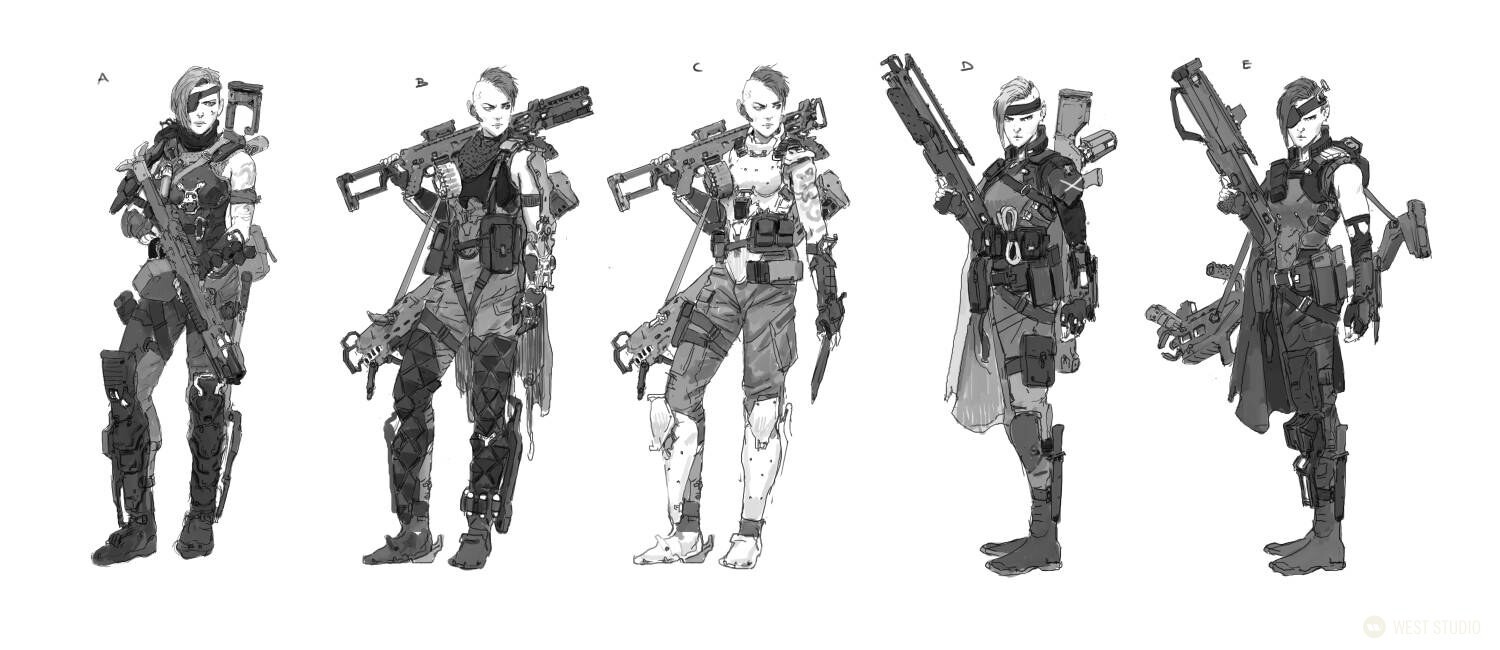
Credit: West Studio
The Canvas
Concept Artists
Concept artists breathe life into the earliest stages of game development. They create visual representations of characters, environments, and key elements, providing the foundation for the entire game.
Through a combination of sketches, digital paintings, and mood boards, concept artists collaborate with game designers to bring ideas to reality.
Their work sets the tone for the entire game and influences the direction of subsequent art disciplines.
2D Artists
In the context of 2D games, 2D artists take center stage throughout the entire development process. They create characters, backgrounds, animations, and user interfaces using 2D art techniques.
From pixel art to hand-drawn illustrations, these artists bring the game world to life in a visually compelling and cohesive manner.
3D Modelers
Once the concepts have been decided, 3D modelers transform two-dimensional concepts into three-dimensional masterpieces. These artists use specialized software, like Blender, to create detailed character models, diverse environments, and stylized assets that populate the game world.
Texture Artists
They breathe life into 3D models by adding textures, colors, and fine details. They craft the surfaces of characters, landscapes, and objects, enhancing the decided visual style and leading to visual appeal. Texture artists employ techniques such as hand-painting or advanced procedural methods.
Animators
Animation artists infuse movement and personality into game characters. This process requires a deep understanding of anatomy, physics, and storytelling to create animations seamlessly integrating into the game world.
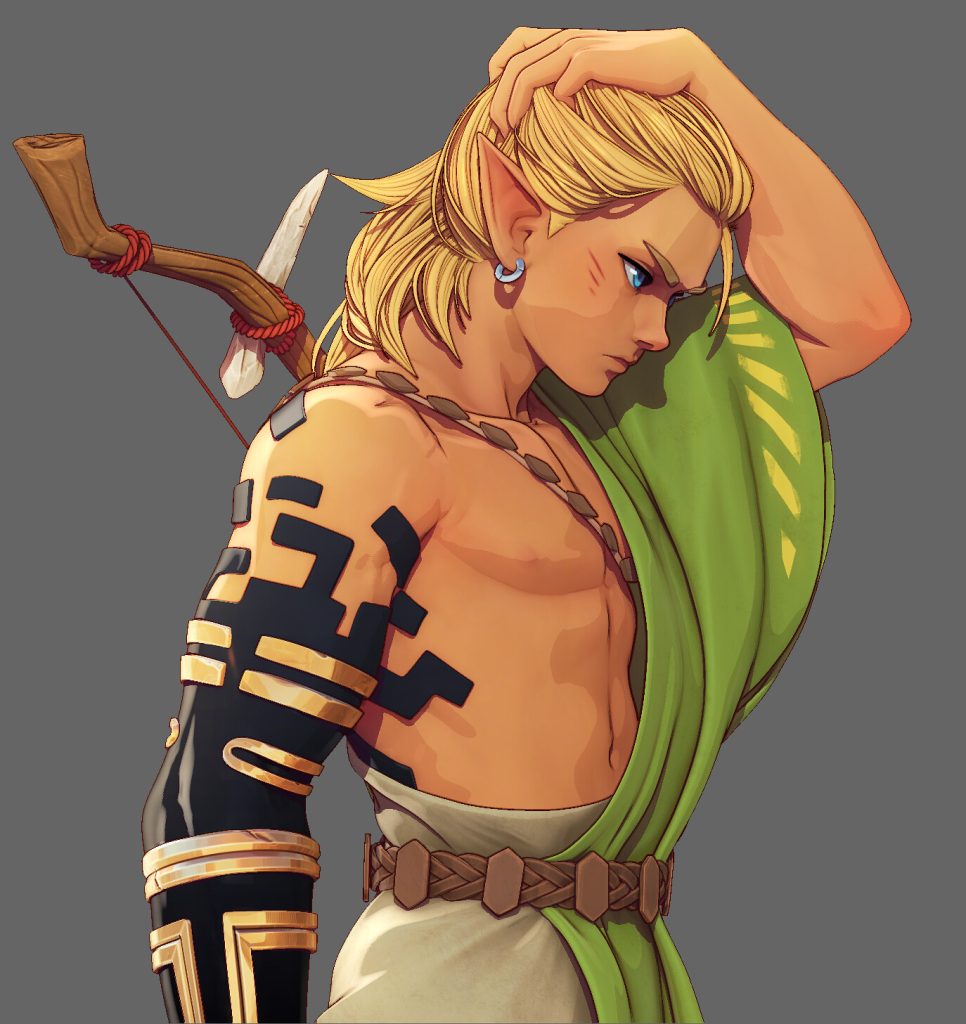
Credit: Dan Eder
Specializations
Character Designers
They focus on the visual aspects of game characters, shaping their appearance, personality, and aesthetic. These artists collaborate closely with writers and developers to ensure that characters look visually appealing and align with the narrative and gameplay. Creating iconic characters is an art form that requires a balance of creativity and storytelling.
Environment Artists
While concept artists lay the groundwork, environment artists specialize in bringing entire game worlds to life. These artists design and implement the landscapes and architecture that players traverse. Their work involves a keen understanding of spatial design, lighting, and atmosphere to create environments that are not only visually stunning but also accompany the gaming experience.
UI/UX Designers
User interface (UI) and user experience (UX) designers play a critical role in shaping how players interact with the game. These artists ensure the player’s journey through game menus and indicators is seamless and enjoyable. The balance of aesthetics and functionality is a top priority in UI/UX design. A beautiful but not user-friendly interface is not a good interface.
VFX Artists
Visual effects (VFX) create eye-catching effects that enhance the visuals of the gameplay: combat explosions, spells, level-ups, rain, and thunder. Everything contributes to the immersion and excitement that players experience during key moments of gameplay.
Becoming a Game Artist
Embarking on a career as a game artist requires a blend of artistic talent, technical proficiency, and some gaming knowledge. While formal education in art and design can provide a solid foundation, hands-on experience and a robust portfolio are even more important. Embrace opportunities for continuous learning, whether through online tutorials, workshops, or mentorship programs. Practice daily, and remember, there’s no one-size-fits-all approach to becoming an artist: explore different disciplines, find where you want to fit in and carve out your style and path.