May 26, 2026
Ranked games will only take you so far.
You can put hundreds of hours into solo queue, learn every corner of every map, and climb to the highest rank, and still freeze the first time you play in a real tournament. Not because you aren’t good enough (because to get there, you have to be good). But because competing in a tournament is a completely different skill, and like any skill, you only get better at it by practicing.
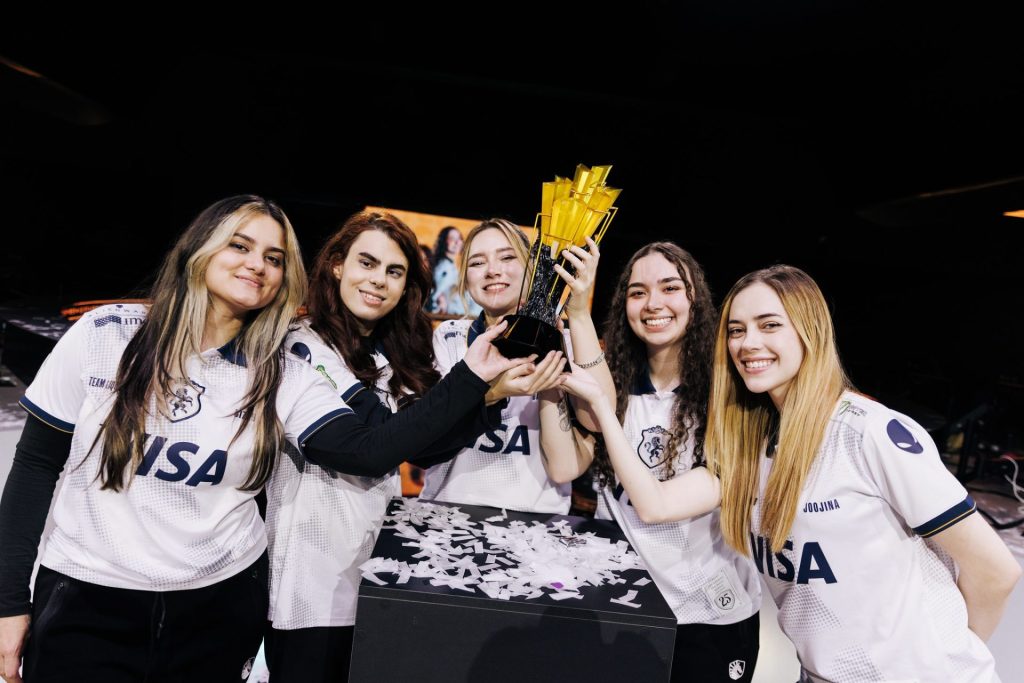
This is one of the most important things that esports events do. Give players the experience of competing under real conditions, with stakes, with structure, and with other people watching. That experience builds something that solo practice can’t.
What tournaments teach that ranked games don’t
In ranked play, you can mute your teammates, dodge a match you don’t feel like playing, or log off if things go badly (but hey, be nice, don’t do that). In a tournament, none of that is an option. You have to show up, you have to communicate, and you have to play through it, whatever happens.
That pressure changes how people play and, more importantly, how they grow.
Here are the skills that competitive events build in ways that normal practice can’t reach:
- Communication under pressure: in solo queue, many players avoid using their microphone. In a tournament, clean communication is often the difference between winning and losing. Players learn to give information quickly, stay calm when things go wrong, and listen to teammates even when the game is not going their way. And that takes time and practice.
- Strategic thinking: solo queue rewards individual performance. Tournaments reward preparation and teamwork. You can have the best aim in the lobby and still lose to a team that coordinated their utility, read your tendencies, and ran a comp specifically designed to shut you down. A perfect KDA doesn’t win rounds, but the right strategy does. Tournaments force players to think beyond their own game and reckon with that reality.
- Resilience: losing a map in ranked is easy to shake off. Losing a map in a tournament when your whole team is watching is a different experience. Learning to reset, refocus, and come back after a setback is a mental skill, and tournaments are among the best places to practice it.
- Confidence: playing in a broadcasted event, with your name on a screen and people watching, is nerve-wracking the first time. The second time is a little easier (still nerve-wracking). By the tenth time, it starts to feel normal. That confidence carries over into every part of a player’s competitive life.
- Teamwork: ranked games group strangers together for a single match, then scatter them. Tournaments require a team to work together over multiple games, sometimes over multiple days. Players learn how to support each other, how to adjust strategies mid-series, and how to trust their teammates.
None of these are things you can learn by reading about them. They only come from actually competing.
The difference between playing and performing
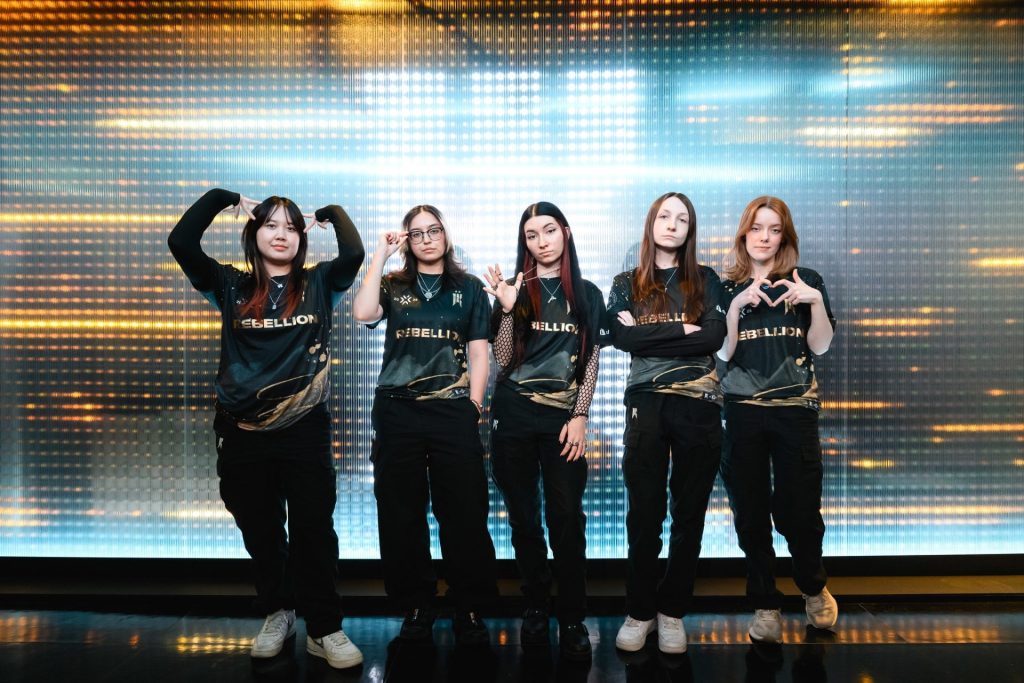
There is a reason why coaches and analysts in professional esports talk so much about the ‘tournament experience’. It is not just a phrase. Players who have competed in many organized events carry themselves differently from those who have only played ranked games at home.
They know how to warm up before a match (and not just by queuing ranked until five minutes before). They know how to review their own performance after a loss without falling apart. The nerves don’t go away, but they learn how to play through them anyway. They know what it feels like when a series goes to a tiebreaker, and they know how to keep their head in that moment.
That experience is not glamorous at all. A lot of it is learning through failure. But failure in a structured environment, where you have teammates and a support system around you, is one of the fastest ways to grow.
The 2024 Game Changers Championship in Berlin peaked at over 460,000 viewers. Every single player on that stage had gone through months of open qualifiers, regional events, and Swiss stage matches before that moment. The big stage doesn’t come first. The hundred smaller matches do. That’s the job. You get ready by playing, not by waiting until you feel ready.
What Raidiant Academy is building
That’s the gap Raidiant set out to fill. Having the talent isn’t enough if you never get the reps, and for a lot of emerging players, consistent access to organized competitive play hasn’t been available. That’s what the Raidiant Academy program was built to change.
In 2026, Raidiant Academy includes five tournaments throughout the year, offering cash prizes and a structured path for development. It also gives beginner casters, observers, and production staff the chance to get real experience inside an official competitive environment, not just in scrimmages or streamed games, but in actual, organized events.
And this is important because the pipeline into professional esports doesn’t just run through playing. It runs through every role on and off the screen. A future broadcast producer needs the same kind of reps that a future professional player needs. A first-time observer needs to work real matches before they can work a main event. Raidiant Academy creates that space for everyone.
The Kickoff Tournament at the start of the 2025 Game Changers season was designed with a similar purpose in mind. With a $10,000 prize pool and no Championship points on the line, the event gave teams a low-pressure environment to test rosters and gain live tournament experience before the bigger events started. That might sound like a small thing. But for players who had never competed at that level, it was the kind of stepping stone they needed.
New games, new spaces, the same principle
When Rally Cup 1 launched in October 2025 as the first women’s Rainbow Six Siege tournament in the Rally Point program created by Raidiant and Ubisoft, it only had five teams. The prize pool was $425. On paper, it was a small event.
But for the players who competed, it was a first. A chance to compete in a structured, safe, women-only space in a game where that had never formally existed before. Urgent Yak & Co won without dropping a single map. More importantly, five teams now have a result, a record, and a reason to keep competing. Rally Point is set to grow with more cups and a Finals event, giving those players more chances to develop with every event they enter.
This is how competitive pipelines get built. Not by waiting until players are already ready for the biggest stage. But by creating the smaller stages first, so that players can get ready on them.
The point
Skill development in esports is not a solo act.
The players who reach the highest levels are almost always people who competed early and often. They entered tournaments when they weren’t ready. They lost matches in front of people. They learned how to handle it, and then they came back and competed again.
The events that Raidiant runs, from Raidiant Academy to Game Changers NA to Rally Point to the Milk Cup, are the environment where that growth happens. Where players find out what they are actually made of, away from ranked games and with real stakes.
That environment doesn’t just produce better players. It produces better teammates, better communicators, more confident competitors, and, sometimes, the next generation of people who will run and broadcast the events themselves. And beyond that: the coaches, mentors, and advocates who will carry this knowledge forward, lower the barrier for whoever comes next, and make sure the next generation doesn’t have to figure it all out alone.