August 16, 2026
Women’s esports doesn’t start directly on a championship stage. It starts, like everything, at the very beginning: the first sign-up form, the first open qualifier, the first team invite, the first streamed match, the first time a player takes a chance on themselves and thinks, “maybe I CAN do this.” Every thriving competitive scene is built from those small moments.
That is why grassroots esports tournaments matter so much. They are the foundation that makes professional events possible in the first place.
Before anyone reaches a championship stage, they start somewhere much, much smaller. Players need tournaments where they can learn how competition feels; casters need matches to practice on; teams need space to build chemistry, make mistakes, and improve without every result carrying huge consequences. Those early opportunities are where confidence, experience, and long-term growth begin.
If you’ve ever queued ranked with friends and wondered what it would actually feel like to compete for real, you’ve already felt the gap that grassroots tournaments are meant to bridge.
And that is where Raidiant found its identity: in building the steps underneath major women’s esports events through programs like Calling All Heroes, Raidiant Academy, and The Milk Cup.
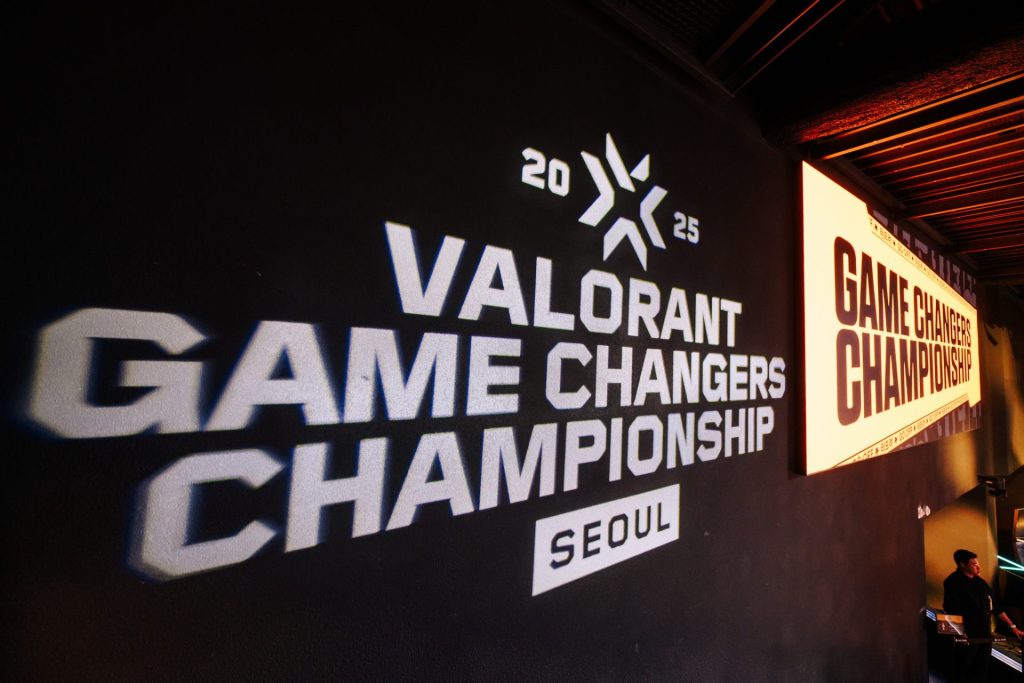
The first contact with a real competitive experience
Nobody starts by lifting a trophy. Every player who has ever reached a championship stage first had to play a match that nobody outside their team cared about to learn how competitive play works. That’s the philosophy behind Calling All Heroes, Raidiant’s Overwatch 2 program developed in partnership with Blizzard.
The program didn’t throw players directly into a championship bracket. It started with the Challengers Cup, an entry point designed for players who had the skill but not yet the tournament experience. And as the program has grown, that on-ramp has gotten more intentional. In 2025, Raidiant introduced CAH Academy 101 and 102: lower-stakes preseason and midseason events built for players who want to compete but aren’t ready to commit to a full season just yet.
Anyone who’s played ranked knows that tournament matches feel different. Communication changes. Nerves kick in. Every decision suddenly carries a little bit more weight. Those are things you can’t really prepare for in solo queue; you have to play through them. Grassroots tournaments are where you get to do that before the biggest stages arrive.
It’s not just players who grow in grassroots tournaments
A tournament isn’t just the players holding the controllers. There are casters talking through the action, observers trying to catch every key moment, producers keeping the stream from falling apart, and admins making sure the bracket actually runs. All of those roles take experience too, and nobody figures them out overnight.
That’s where Raidiant Academy comes in. As VALORANT’s Game Changers ecosystem became more competitive, Raidiant Academy opened a more accessible path into the scene: five tournaments across 2026, each one open to up to 32 teams, with players able to find teammates directly through Raidiant’s Discord if they don’t have a full roster yet. The door is as open as it gets.
But it’s not just about the players. These events also provide beginner casters, observers, and broadcast talent with a competitive environment to learn in (not a practice stream, but an actual organized event with real stakes). And that matters, because a healthy esports scene isn’t built on players alone. It works when everyone behind the scenes is growing too. Grassroots tournaments are what open that door for all of them.
Grassroots tournaments are about learning
One of the biggest myths about competition is that you only improve when everything is on the line. But most players actually get better when they’re allowed to mess up a little.
Losing your first tournament doesn’t end anything. If anything, it’s usually where things start to click. You figure out how to adapt when a plan falls apart, how to communicate when the pressure spikes, how to reset and keep going. That kind of learning only happens in an environment that’s built to help you grow, not just to filter teams until only one is left.
The Milk Cup is an example of that done right. When it came back in 2025 with a $300,000 prize pool, the most meaningful addition wasn’t the prize money. It was The Milk Cup Academy: coaching, scrimmages, and mentorship built directly into the competition, so players aren’t just expected to show up and perform. They get support before they even hit the main stage: experienced coaches, structured practice, and wellness and performance guidance, because getting better isn’t only about mechanics. It’s also about learning to handle pressure, stay consistent, and avoid burning out as you try to get better.
The foundation holds up the whole structure
The biggest stages in women’s esports don’t exist on their own. Every player up there had a first tournament, a first nervous match, a first time they decided to just go for it (usually before they felt ready and without knowing exactly how it would go).
And that’s what grassroots esports tournaments are for: to be the place where someone figures out that they actually belong in competitive play and can make something out of it. Where a team finds its footing, a caster calls their first match, an observer learns the ropes, where the next generation of women’s esports gets its start.
The scene keeps growing because people keep showing up. And if you’ve been sitting on the fence about competing, wondering if you’re good enough or ready enough, you probably are. Find your tournament, sign up, and go find out!